Upholstery cleaning Burnt Oak Broadway Edgware experts: a practical guide to cleaner, fresher furniture
If your sofa has picked up day-to-day grime, a dining chair smells a bit musty, or a favourite armchair has one stain that keeps catching your eye, you are not alone. Upholstery cleaning Burnt Oak Broadway Edgware experts can make a big difference to the look, feel, and lifespan of your furniture. And to be fair, upholstery is one of those things people live with for too long before doing anything about it.
This guide explains what professional upholstery cleaning involves, why it matters in busy homes and local businesses, how the process usually works, and how to avoid the mistakes that can damage fabrics. You will also find a simple checklist, a comparison table, and a realistic look at when cleaning is sensible, when it is not, and what to expect from a well-run service.
- Why upholstery cleaning matters
- How the cleaning process works
- Key benefits and practical advantages
- Who needs this service and when it makes sense
- Step-by-step guidance
- Expert tips for better results
- Common mistakes to avoid
- Tools, resources and recommendations
- Law, compliance, standards, and best practice
- Options, methods, or comparison table
- Case study or real-world example
- Practical checklist
- Conclusion
- Frequently asked questions
Why Upholstery cleaning Burnt Oak Broadway Edgware experts Matters
Upholstery does more than sit there and look decent. It absorbs oils from skin, dust, crumbs, pet hair, pollen, drink spills, and the general wear of normal life. If you have children, pets, a busy household, or even just a well-used sofa in a living room with strong natural light, the fabric will show it sooner than you think.
The local context matters too. In places like Burnt Oak Broadway and wider Edgware, homes and rented properties often see a lot of day-to-day traffic. People come and go, shoes are kicked off late in the evening, and the sofa becomes the default place for almost everything. That leads to fabric flattening, smells, and the sort of dullness that cleaning sprays rarely fix properly.
Professional upholstery cleaning is not just about appearance. It also helps with hygiene, fabric care, and odour control. A good clean can lift old residues from the fibres, restore a more even finish, and reduce the build-up that makes furniture feel tired. You may not notice the fabric going gradually. Then one day, you do. A fresh, clean sofa can honestly change the whole room.
For readers comparing services, the best place to start is often the core upholstery cleaning service, then look at related options such as sofa cleaning or stain removal if the problem is more specific.
How Upholstery cleaning Burnt Oak Broadway Edgware experts Works
Professional upholstery cleaning is usually a careful process, not a one-size-fits-all blast of water and detergent. The best results come from matching the method to the fabric type, the level of soiling, and the kind of marks on the item. That is where experience really shows.
Most jobs begin with an inspection. The cleaner checks the fabric construction, condition, colour fastness, and any labels or manufacturer guidance. Some materials can tolerate more moisture than others. Delicate fabrics need a gentler approach. If you rush this part, you can end up with water marks, dye bleeding, or texture changes. Nobody wants that.
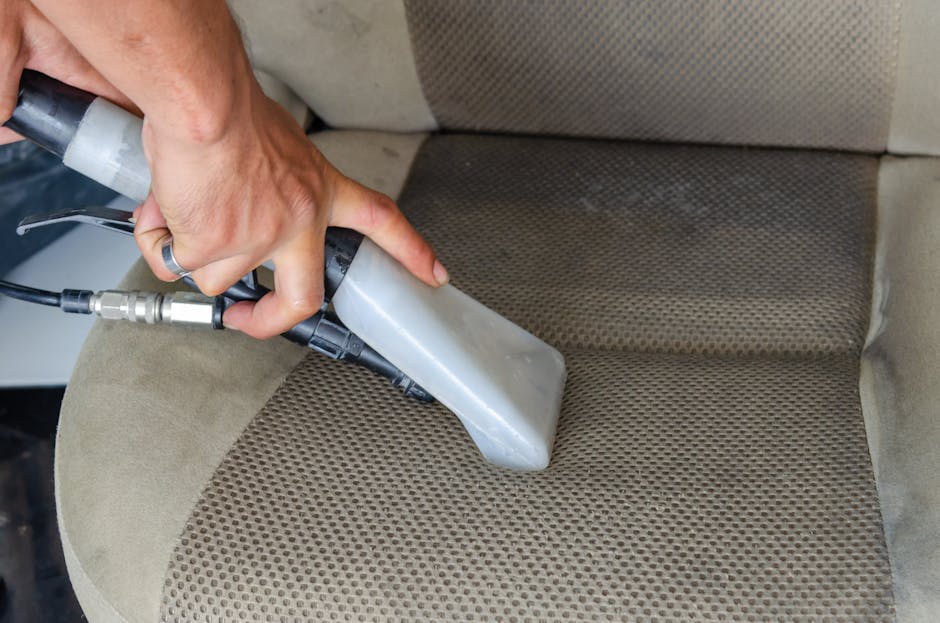
The next stage is usually dry soil removal. Loose dust, crumbs, and pet hair are lifted first because wet cleaning straight away can turn surface dirt into mud inside the fibres. After that, a suitable cleaning solution is applied, often with controlled agitation using a soft brush, cloth, or specialised upholstery tool. Depending on the fabric and soil level, extraction may be used to lift residues and help the item dry more evenly.
Some items benefit from hot water extraction, while others are better suited to low-moisture methods or targeted spot treatment. Upholstered furniture is not all the same. A cotton-blend armchair, a synthetic office chair, and a velvet sofa need different handling. That sounds obvious, but it is exactly where cheaper or rushed work can fall short.
Good upholstery cleaning also includes drying guidance. Airflow, room temperature, and fibre density all affect drying time. On a damp London afternoon, thick fabric can take longer than expected. The cleaner should explain what to do next: open windows where possible, keep children and pets off the item, and avoid sitting on it until it is properly dry.
Key Benefits and Practical Advantages
The obvious benefit is cleaner furniture, but there is a bit more to it than that. In practice, upholstery cleaning can support comfort, presentation, and the long-term condition of your furnishings. Here are the main gains people usually notice.
- Better appearance: colours look brighter, fabric looks more even, and the room feels fresher.
- Improved smell: trapped food, pet, smoke, or general household odours are reduced.
- More hygienic surfaces: routine cleaning helps remove built-up dirt and everyday contamination.
- Longer fabric life: removing abrasive dirt can help reduce wear on fibres.
- Better comfort: upholstery feels softer and less sticky or dusty.
- Useful for tenants and landlords: cleaner furniture supports move-in, move-out, and end-of-tenancy presentation.
There is also a psychological benefit, strange as that sounds. A freshly cleaned sofa makes the whole home feel looked after. It is one of those little resets people underestimate. You walk in, sit down, and think, yes, that is better.
For many households, upholstery cleaning works best alongside other services such as deep cleaning or domestic cleaning when the goal is a full refresh rather than a quick tidy-up.
Who This Is For and When It Makes Sense
This service is not just for people with obviously dirty sofas. It makes sense for a wide range of situations, and sometimes the best time to book is before the problem looks severe.
Homeowners may want upholstery cleaning after several months of normal use, after a spill, or before guests stay over. If your living room is the main family space, the furniture probably takes a beating without much complaint.
Renters often need it before moving out or after moving in, especially if the previous occupants had pets, children, or just a different standard of clean. In a shared property, fabric chairs and sofas can pick up odours fast.
Landlords and letting agents use it to improve presentation between tenancies. Clean upholstery can make a property feel better cared for, even if the furniture itself is not new.
Offices, salons, and waiting areas may need scheduled cleaning because chairs and soft seating are visible to visitors every day. If people see a worn, stained chair in reception, they notice. Maybe more than they should, but they do.
Pet owners are another obvious group. Hair, dander, and the occasional accident can settle deep into fibres. In those cases, targeted pet stain and odour removal may be more useful than a general clean alone.
If you are unsure whether to book now, ask yourself: is the furniture visibly dull, does it smell stale, or has a spot become part of the decor? If yes, it is probably time.
Step-by-Step Guidance
Here is a straightforward way to think about the process, whether you are hiring a service or just trying to understand what good work should look like.
- Identify the fabric and the problem. Note whether the item is stained, odorous, dusty, flattened, or a mix of all four.
- Check care labels or manufacturer notes. If the fabric has a specific cleaning code, that matters more than guesswork.
- Move small items away. Cushions, throws, and loose objects should be cleared so the cleaner can work properly.
- Pre-vacuum thoroughly. Dry debris should come out before any damp cleaning begins.
- Test a hidden patch. Any sensible cleaner should do this on sensitive fabrics or older upholstery.
- Apply the right treatment. This may be spot treatment, low-moisture cleaning, foam, or extraction.
- Work the fabric carefully. Controlled agitation helps loosen embedded dirt without roughing up the weave.
- Remove residues. Clean water or extraction helps leave the upholstery fresh rather than sticky.
- Allow proper drying. Airflow matters. So does patience, annoying as that may be.
- Inspect the result. Good cleaners will review the finish and mention any marks that may need further treatment.
If a cleaner skips the inspection or jumps straight into wetting the item, that is a small warning sign. Not always a disaster, but it tells you something about the process.
Expert Tips for Better Results
Little decisions make a bigger difference than people expect. A few practical habits can improve the outcome and help your furniture stay cleaner for longer.
- Act quickly on spills. Dab, don't scrub. Scrubbing spreads the stain and pushes it deeper.
- Vacuum upholstery regularly. A gentle vacuum with the right attachment keeps grit from rubbing fibres down.
- Rotate cushions where possible. This evens out wear and keeps one side from flattening too fast.
- Keep heating and airflow in mind. Drying is easier in a room with decent circulation.
- Use the right method for the fabric. Velvet, wool, linen, and synthetics all behave differently.
- Ask about stain priorities. If one mark is bothering you most, mention it early.
One small but useful tip: if the room has a strong smell before cleaning, figure out whether the source is actually the upholstery or something nearby. Curtains, carpets, pets, or even a damp wall can all contribute. Upholstery may be part of the problem, but not always the whole story.
For busy households, pairing upholstery care with regular cleaning or a one-off reset can help keep the whole home easier to manage.
Common Mistakes to Avoid
Most upholstery damage happens because someone tried to be helpful too quickly. Happens all the time. The good news is that a few mistakes are easy to avoid once you know them.
- Using too much water: oversaturation can lead to long drying times, rings, and internal moisture.
- Scrubbing stains aggressively: this can roughen the fabric and spread the mark.
- Ignoring fabric type: a method that works on synthetic upholstery may harm natural fibres.
- Applying random products: household cleaners can leave residue or react badly with dyes.
- Skipping a patch test: especially risky on old, faded, or delicate pieces.
- Putting the item back into use too soon: this can flatten damp fibres and attract more dirt.
There is also a quieter mistake: waiting until a sofa is genuinely unpleasant before dealing with it. At that point, cleaning can still help, but the job is harder and the result may be less dramatic than if you had acted earlier.
Tools, Resources and Recommendations
You do not need to become a fabric chemist, thank goodness. But it helps to know what a professional should be using and why.
Useful tools and equipment often include:
- high-suction vacuum cleaners with upholstery attachments
- fabric-safe pre-spray or stain treatment solutions
- soft brushes for controlled agitation
- microfibre cloths for blotting and detailing
- extraction tools for rinsing and residue removal
- air movers or drying support where suitable
Good service pages to compare, depending on your needs:
- Sofa cleaning for larger upholstered seating
- Rug cleaning if soft furnishings across the room need attention
- Steam carpet cleaning when floors also need a reset
- Mattress cleaning for bedrooms with similar hygiene concerns
If you are choosing a provider, ask how they assess fabric type, how they handle delicate materials, and what they do if a stain does not fully shift. Straight answers are a good sign. Vague answers, less so.
Law, Compliance, Standards, or Best Practice
Upholstery cleaning is not usually a heavily regulated service in the way medical or legal work is, but there are still sensible standards to expect. In the UK, a responsible cleaner should follow basic health and safety practices, use products correctly, and handle work in a way that avoids unnecessary risk to people, pets, and property.
That means clear communication about what will be done, how long the item may take to dry, and whether there are any limitations on the fabric. It also means using cleaning products safely and storing them appropriately. If a provider has public-facing policies on health and safety and insurance and safety, that is reassuring because it shows they take the work seriously.
From a customer perspective, best practice includes honest expectations. Not every stain can be removed fully. Some old dye transfers, sun fading, or heat-set marks may only improve, not disappear. A trustworthy cleaner will say that clearly rather than promising miracles. Truth be told, miracle claims usually age badly.
If you are booking for a rented property, remember that end-of-tenancy requirements can vary depending on the landlord, agent, and condition of the item. In those cases, upholstery cleaning may sit alongside end-of-tenancy cleaning or move-out cleaning as part of a broader handover plan.
Options, Methods, or Comparison Table
Not every upholstered item needs the same treatment. Here is a simple comparison to help you understand the main approaches.
| Method | Best for | Strengths | Watch-outs |
|---|---|---|---|
| Low-moisture cleaning | Delicate fabrics, routine refreshes | Faster drying, gentler on sensitive materials | May be less effective on heavy soiling |
| Hot water extraction | Durable fabrics, deeper dirt build-up | Strong rinse effect, good for embedded grime | Longer drying time, not suited to every fabric |
| Spot treatment | Single stains or localised marks | Targets the issue directly, efficient | May not refresh the full item |
| Foam or controlled surface cleaning | Light to moderate soil on sensitive upholstery | Reduced wetting, helpful for certain materials | Technique must be handled carefully |
In many real homes, the best result is a combination: targeted stain treatment first, then a wider clean over the entire piece so it all looks consistent. That matters. A sofa with one bright patch and three dingy patches is not much of an improvement.
Case Study or Real-World Example
Here is a realistic example from the kind of job that comes up often. A family in a busy household had a three-seater sofa that looked generally fine from a distance, but close up it was patchy, slightly greasy on the arms, and carrying a faint pet smell. The mark from one spilled drink had also dried into a visible ring.
Instead of attacking the whole piece with a heavy wet clean straight away, the approach started with a fabric check, dry vacuuming, and a test on a hidden section. The stained arm areas were treated separately, the visible seating areas were cleaned evenly, and the odour source was addressed with a pet-focused treatment rather than just perfume-like masking.
What made the difference was not a dramatic trick. It was sequencing. The cleaning was done in the right order, with enough patience for the fabric to dry properly. By the next day, the sofa looked much more uniform, and the room felt less heavy. Small win, yes. But a real one.
That is often how good upholstery cleaning works in practice. Not flashy. Just careful, methodical, and a lot more effective than a quick spray and a prayer.
Practical Checklist
Use this before and after booking a cleaning service.
- Identify the furniture item and fabric type if you can.
- Note any stains, odours, or wear areas.
- Check whether the item has special care instructions.
- Clear the area around the furniture so access is easy.
- Ask how the cleaner handles delicate or older fabrics.
- Confirm expected drying time and aftercare advice.
- Keep children and pets away while the item dries.
- Use good airflow after the clean if the room allows it.
- Review the result once the fabric is fully dry, not halfway through.
- Consider whether other soft furnishings need attention too.
A quick checklist like this saves hassle. It also helps you judge whether the cleaner has done a proper job or just made the sofa look wet for an hour.
Get a free quote today and see how much you can save.
Conclusion
Upholstery cleaning Burnt Oak Broadway Edgware experts are worth looking for when you want more than a surface tidy. The right service can refresh tired furniture, reduce odours, improve hygiene, and help your sofa, chairs, or soft seating last longer. More importantly, it should be done with care, because upholstery is not something to rush.
If you remember just one thing, make it this: match the method to the fabric. That single decision affects almost everything else, from stain removal to drying time to how the item feels afterwards. Good cleaning feels almost invisible in the best way. The room just feels better. Cleaner, calmer, easier to live in.
And honestly, that is the real value here. Not perfection. Just a home or workspace that feels looked after again.
Frequently Asked Questions
How often should upholstery be professionally cleaned?
For most homes, a professional clean every 12 to 24 months is a sensible starting point, but busy households, pet owners, and heavily used sofas may need it more often.
Can all upholstery fabrics be steam cleaned?
No. Some fabrics handle moisture well, while others are more delicate and may need low-moisture or specialist treatment. Fabric type should always guide the method.
Will upholstery cleaning remove old stains completely?
Sometimes yes, sometimes partly. Older stains, dye transfer, and heat-set marks can be difficult. A trustworthy cleaner should explain what is realistic before starting.
How long does upholstery take to dry?
Drying time depends on fabric type, room airflow, temperature, and how much moisture was used. Light cleaning may dry fairly quickly, while deeper cleaning can take longer.
Is upholstery cleaning safe for pets and children?
It can be, provided suitable products are used and the item is left to dry properly before use. It is wise to keep children and pets away until everything is fully dry.
What is the difference between sofa cleaning and upholstery cleaning?
Sofa cleaning is a specific type of upholstery cleaning focused on sofas and couches. Upholstery cleaning can also include chairs, armchairs, benches, and other soft furnishings.
Does upholstery cleaning help with bad smells?
Yes, especially when odours come from trapped dirt, food spills, pets, or everyday use. Strong or deep-set smells may need targeted odour treatment as well.
Should I vacuum upholstery before the cleaner arrives?
If you can do so gently, yes. Removing loose debris first helps the clean go more smoothly and reduces the chance of turning surface dirt into residue.
Is it worth cleaning an older sofa?
Often yes, if the frame and fabric are still in decent condition. Even older furniture can look and feel much better after a careful clean, though there are limits.
What should I ask before booking a local upholstery cleaner?
Ask about fabric assessment, stain treatment, drying time, insurance, and what happens if a mark does not come out fully. Clear answers are usually a good sign.
Can upholstery cleaning help with pet hair and dander?
Yes. Vacuuming, agitation, and appropriate cleaning can remove a lot of embedded pet hair and dander, though heavily furred furniture may need extra attention.
What if my furniture has a delicate fabric like velvet or linen?
Delicate fabrics need careful handling and the right method. That is exactly why an inspection and patch test matter before any full clean begins.
Can upholstery cleaning be combined with other services?
Absolutely. Many people pair it with carpet cleaning, curtain cleaning, or a wider one-off cleaning visit for a proper overall refresh.
How do I know if a cleaner is taking the job seriously?
Look for a proper fabric check, sensible expectations, clear drying advice, and straightforward communication. Calm confidence is usually better than big promises.